
What skills do students need to succeed in STEM (Science, Technology, Engineering, and Mathematics), and how can schools teach them?
Today’s students need hands-on experience with technical design, problem-solving, and industry-standard tools to succeed in STEM careers.
While limited budgets, technology access, and IT challenges can slow progress, schools that invest in connected tools and hands-on learning environments can help students build real-world skills that lead to long-term success.
What is the skills gap in STEM education, and why does it exist?
Today’s students need hands-on experience with technical design, problem-solving, and industry-standard tools to succeed in STEM careers.
While limited budgets, technology access, and IT challenges can slow progress, schools that invest in connected tools and hands-on learning environments can help students build real-world skills that lead to long-term success.
What is the skills gap in STEM education and why does it exist?
A growing gap exists between what students learn and what employers in technology and engineering expect.
According to the American Society for Engineering Education, only 39% of US companies reported feeling new graduates in engineering were adequately trained.
As demand for skilled workers in STEM continues to grow, it is more important than ever to close this gap. Without real-world skills and experience that sparks curiosity and innovation, students are less likely to succeed in STEM fields.
One major reason for the gap is how many STEM programs are structured. Too often, early STEM and engineering courses focus on:
- Memorizing concepts
- Heavy theory with little application
- High-pressure “weed-out” classes meant to narrow the field
This approach can push capable and creative students out of STEM before they ever reach hands-on learning. Instead of building confidence and curiosity, these courses often reward test-taking over problem-solving.
As a result, many students leave STEM programs not because they lack ability, but because they never get the chance to design, build, and explore ideas in meaningful ways.
Programs that integrate hands-on, creative learning empower students to stay engaged, build confidence, and develop skills the industry needs most.
Why are STEM skills changing so quickly?
STEM and engineering skills are changing quickly because industry tools, software, and workflows evolve faster than traditional education programs can update.
New tools, software, technology, and processes are a part of everyday work in engineering and manufacturing. Skills and programs that were valuable just a few years ago may already be outdated. To prepare for successful careers, students need more than technical knowledge. They need to learn how to adapt and keep learning.
Today’s engineers are expected to:
- Work in digital and cloud-based environments
- Collaborate with teams in real time
- Move designs quickly from idea to production
- Use advanced tools to test and improve ideas
Students must learn in ways that reflect how work is done in the industry. They learn best when they can:
- Design parts using modern software
- Build and test physical models
- Improve designs based on real results
Hands-on learning helps students understand not just what to do, but why it matters.
By giving students access to industry-standard tools and connected workflows, schools can help them build skills that stay relevant even as technology continues to change.
What core technical skills do STEM students need to succeed in engineering careers?
STEM students need core technical skills in digital design, design-to-production workflows, and engineering analysis to succeed in modern engineering careers.
CAD and Digital Design Proficiency
Computer-aided design (CAD) is a foundation skill for STEM students. CAD helps students turn ideas into clear, detailed 3D models.
With digital design tools, students learn how to:
- Create and modify 3D designs
- Understand how parts fit and move
- Test ideas before building them
Using industry-standard CAD software like SOLIDWORKS Design and 3DEXPEREINCE gives students experience with the same tools used in engineering and manufacturing jobs. This makes it easier for them to transition from school to the workplace.
Design-to-Production Thinking
Design is only the first step. To succeed in STEM and engineering, students also need to understand how designs become real products.
Design-to-production thinking teaches students to consider:
- Materials and manufacturing methods
- Part strength and durability
- How small design choices affect final results
When students can move from digital design to physical production using tools like 3D printers and laser cutters, learning becomes more meaningful. They see how a design on a screen turns into a real object they can test, measure, and improve.
This hands-on process helps students understand why designs sometimes fail, and how to fix them. It builds stronger problem-solving skills and encourages iteration, just like in real engineering work.
By learning how designs move from the screen to the shop floor, students begin to think like engineers who design for real-world use, not just class assignments. This mindset prepares them for careers in engineering, manufacturing, and product development.
Reverse Engineering and Analysis
Reverse engineering helps students learn by studying real objects.
With tools like 3D scanners, students can:
- Capture the shape of physical parts
- Turn real objects into digital models
- Analyze how products are designed and built
This process builds critical thinking skills and helps students understand why designs work or don’t work. It also encourages creativity by empowering students to explore how existing products can be improved.

What digital skills support student success in STEM programs?
Technical skills alone are not enough for today’s STEM careers. Students also need strong digital skills that help them work together, manage data, and use technology with confidence.
Digital skills that support STEM student success include collaborative design workflows, secure data and file management, and the ability to work in cloud-based engineering environments.
Connected and Collaborative Design Tools
Collaborative design tools prepare students for how engineering teams work in the real world. Engineering is a team effort. Students must learn how to design and solve problems while working with others.
With cloud-based collaboration tools, students can:
- Collaborate on projects in real time
- Share designs and feedback easily
- Understand how teams work together on complex problems
When students use collaborative design platforms, they learn more than software. They learn communication, teamwork, and how to manage shared projects. Employers value these collaborative communication skills just as much as technical ability.
Data, File Management, and Secure Access
STEM students work with large files, shared data, and powerful software. Without reliable systems, learning can slow down or stop.
Strong digital environments help students:
- Access software and files when they need them
- Save and manage design data safely
- Focus on learning instead of technical issues
Secure access is also critical. Protecting student data and school systems allows technology to support learning without adding risk.
When schools invest in reliable and secure IT infrastructure, students can spend more time designing, building, and learning.
How do hands-on skills improve learning and workforce readiness in STEM?
Hands-on skills improve STEM learning and workforce readiness by helping students apply theory through real-world design, fabrication, and problem-solving experiences.
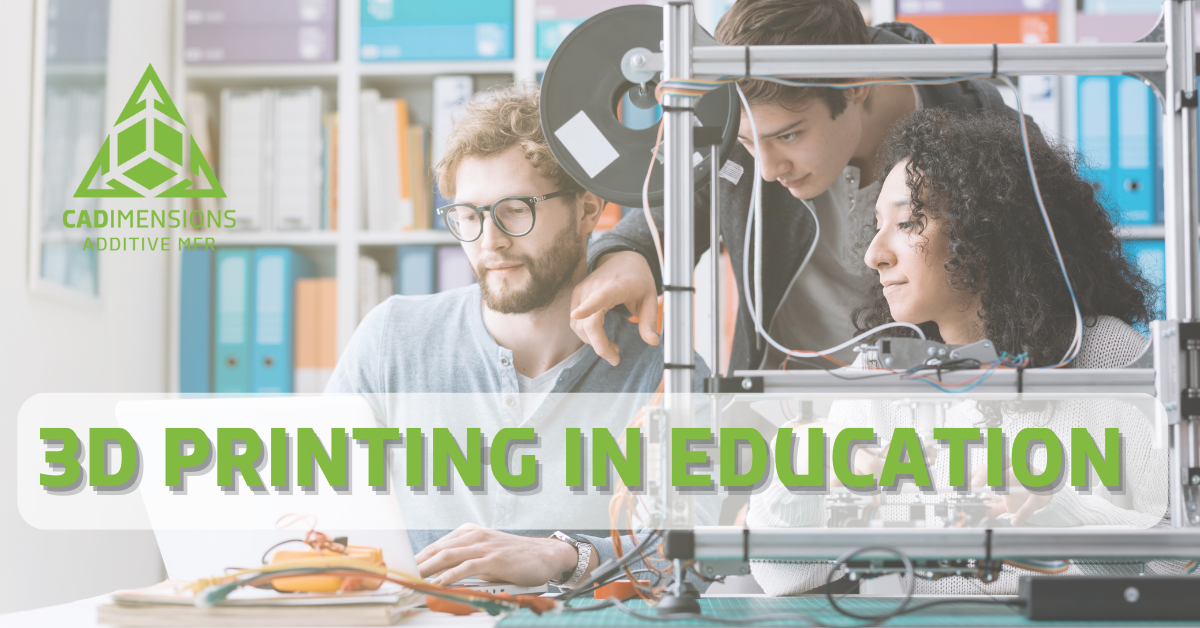
When students can design, build, and test ideas, learning becomes more engaging and more effective. Students are also better prepared for future careers in engineering and manufacturing.
When schools support hands-on learning with the right technology, training, and infrastructure, students are better prepared to succeed both in the classroom and beyond.
Prototyping and Iteration
Prototyping allows students to turn ideas into physical objects they can see and touch.
With tools like 3D printers, students can:
- Build prototypes quickly
- Test ideas and spot problems early
- Improve designs through trial and error
This process teaches students that failure is part of learning. Each version helps them think critically and make better design choices.
Fabrication and Precision Manufacturing
Fabrication tools help students learn accuracy and attention to detail.
Using tools like laser cutters and engravers, students can:
- Create precise parts from digital designs
- Learn how materials behave
- Understand the importance of safe and repeatable processes
These skills reflect real manufacturing environments and help students connect design decisions to final outcomes.
Applied Problem Solving Through Real Projects
Real projects help students apply what they learn in meaningful ways and build problem-solving skills to prepare them for the future workforce.
Project-based learning allows students to:
- Solve open-ended problems
- Work in teams to reach a goal
- Manage time and resources
These experiences mirror real engineering work and help students build confidence. Instead of working on isolated assignments, students learn how to think through challenges from start to finish.

The Role of Certifications and Skill Validation
Certifications help STEM students prove technical ability by validating their skills with industry tools and real engineering workflows.
For STEM and engineering students, certifications:
- Validate technical skills
- Build confidence
- Help students stand out when applying for jobs or internships
Training programs that combine guided instruction with platforms such as 3DEXPERIENCE can support these goals. Students learn in a collaborative online environment while working toward certifications that validate their skills.
What does an integrated STEM learning environment look like?
An integrated STEM learning environment combines design software, hands-on fabrication tools, and training and IT support into a single, connected system.
An integrated learning environment brings together:
- Design and collaboration software
- Prototyping and fabrication tools
- Training and IT support
When these elements work as one system, students experience how engineering really works. They move from design to production, collaborate with peers, and solve real problems using connected workflows.
This approach helps schools deliver hands-on, future-ready education without added complexity and mirrors modern engineering and manufacturing workflows.
FAQ: What do students need to succeed in STEM education?
What skills do students need to succeed in STEM?
Students need technical design skills, problem-solving ability, digital collaboration skills, and hands-on experience with industry-standard tools.
Why is hands-on learning important in STEM education?
Hands-on learning helps students understand how ideas work in real life. It builds confidence, creativity, and problem-solving skills.
How can schools better prepare students for engineering careers?
Schools can prepare students by combining industry-standard technology, hands-on projects, educator training, and secure IT infrastructure.
Do certifications help STEM students?
Yes. Certifications help students prove their skills, build confidence, and stand out to employers.
Preparing Students Today for Tomorrow’s STEM Careers
Student success in STEM requires more than theory.
When schools provide access to real tools, hands-on learning, connected platforms, and proper training, students gain skills that last beyond the classroom. They learn how to design, build, collaborate, and innovate just like engineering professionals do.
By investing in integrated technology and support, schools can empower students to succeed today and lead tomorrow.
Ready to take the next step?
Connect with CADimensions to explore how your school can build a STEM learning environment that gives students the skills, confidence, and experience they need to succeed. Together, we can design a technology approach that aligns with your curriculum, goals, and budget. Because tomorrow is designed today.

Educators, Equip Your Class With The Best Tools For Success